
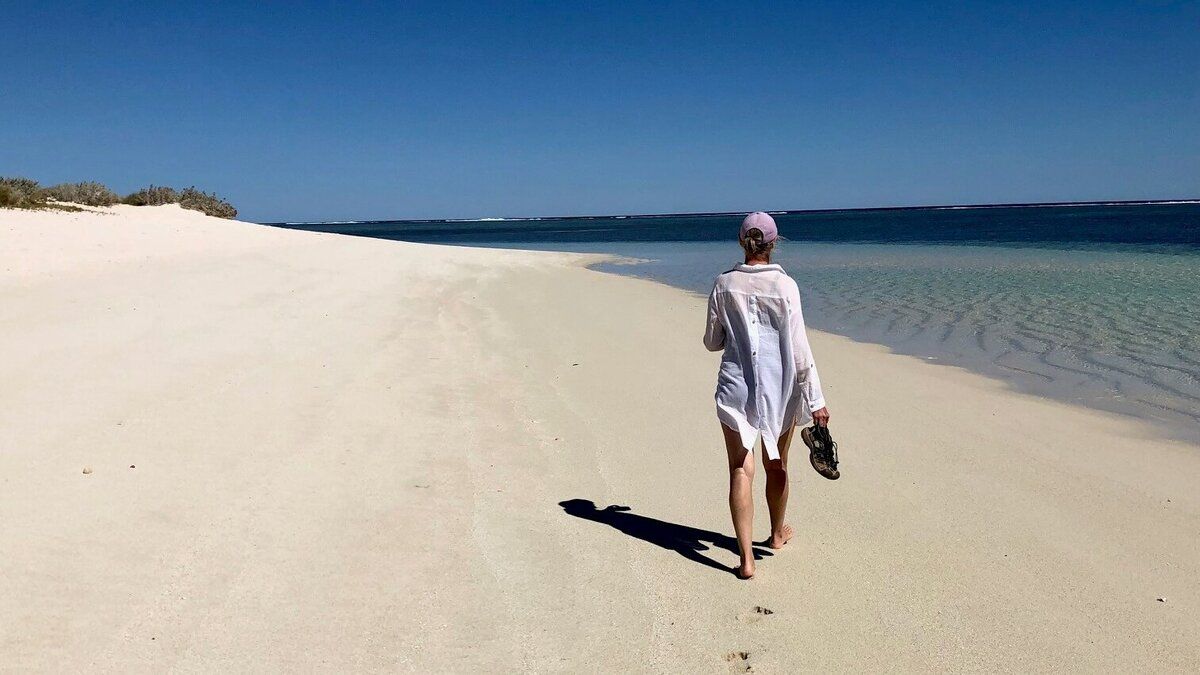
On Sunday, 5 January 2004, I had a grand mal seizure while sleeping. I was 30, married with a two-year old son and 23 weeks pregnant with our daughter, and had been working as an Occupational Therapist. My husband woke to me having a seizure in bed and alerted my parents who were visiting us in Canberra for the weekend. My mum, with her nursing background, quickly instructed him to call an ambulance.
I remember waking up in the back of an ambulance after something sharp must have pierced my skin. This gave me a lasting appreciation for paramedics. The next thing I recall is waking up in the Emergency Department at the Canberra hospital.
After undergoing a CT scan later that day and an MRI the following day, I was diagnosed with a brain tumour and prescribed Tegretol, an anti-seizure medication. My husband accepted a job in my home-town of Wodonga, and within a month, we relocated back home.
At that stage, I was under the care of Professor Michael Besser, a Neurosurgeon at RPA in Sydney. Following a PET scan, MRI, and EEG, he concluded that surgery was not necessary as “the tumour looked benign, very benign”. I will always remember those reassuring words, “very benign”.
We moved into my parent’s home, and three months later, our beautiful baby girl was born. This period was particularly special, as my parents played a vital role in helping us care for both our newborn daughter and our active toddler. Their support significantly alleviated what could have been a very stressful time. They not only provided transportation for me whenever necessary but also prepared all our meals.
Three months after this we moved into our own home. I received my licence back and we began to establish our lives in Wodonga. I joined a local playgroup, participated in a women’s small group at the church, and enrolled my son in numerous activities at the local library to engage him constructively as he was, and remains, very active.
First Surgery
My first surgery was on 1 June 2006 at RPA hospital when my son was 4½ and my daughter had just turned 2. Immediately prior to the surgery, Prof. Besser reassured me by touching my shoulder and stating, “I will take good care of you”. It took approximately six hours for Professor Besser to complete the surgery from start to finish.
Prof. Besser called me at home with the final pathology results. The tumour was an Oligodendroglioma, mostly Grade 2 but with a small Grade 3 area, requiring chemotherapy and possibly radiation. I started shaking, having been confident it was benign. My husband and I went to Sydney to see Prof. Besser and Prof. Simes, my Neuro Oncologist. They recommended chemotherapy with PCV (Lomustine, Vincristine and Procarbazine).
I completed 4 of 6 chemo cycles, as it was stopped due to low white cell count and high liver function tests (LFTs). After chemo ended, I remember feeling like I was in free-fall with nothing to catch me and began experiencing panic attacks. I struggled to leave the house at times, making any excuse not to leave. Though anti-anxiety medication was suggested by my GP, I decided to pursue cognitive behaviour therapy instead and met regularly with a psychologist.
Returning to Work
When our daughter turned 6 and began school, I went back to work part-time as an Occupational Therapist, eventually running my own private practice. It was quite a steep relearning curve!
Recurrence
In June 2014, I had my second seizure while eating dinner with my family. I remember turning to my daughter, who was 10 at the time, and tried to talk to her at the dinner table. I was unable to form a word, and I had another grand mal seizure which was very frightening for my family. At that time, I was under the care of Prof. Andrew Kaye, Neurosurgeon, Royal Melbourne Hospital since Prof. Besser had retired. Scans showed no significant change to my tumour despite the seizure, so I was advised to watch and wait. Six months later, scans indicated changes, and surgery was scheduled for two months-time.
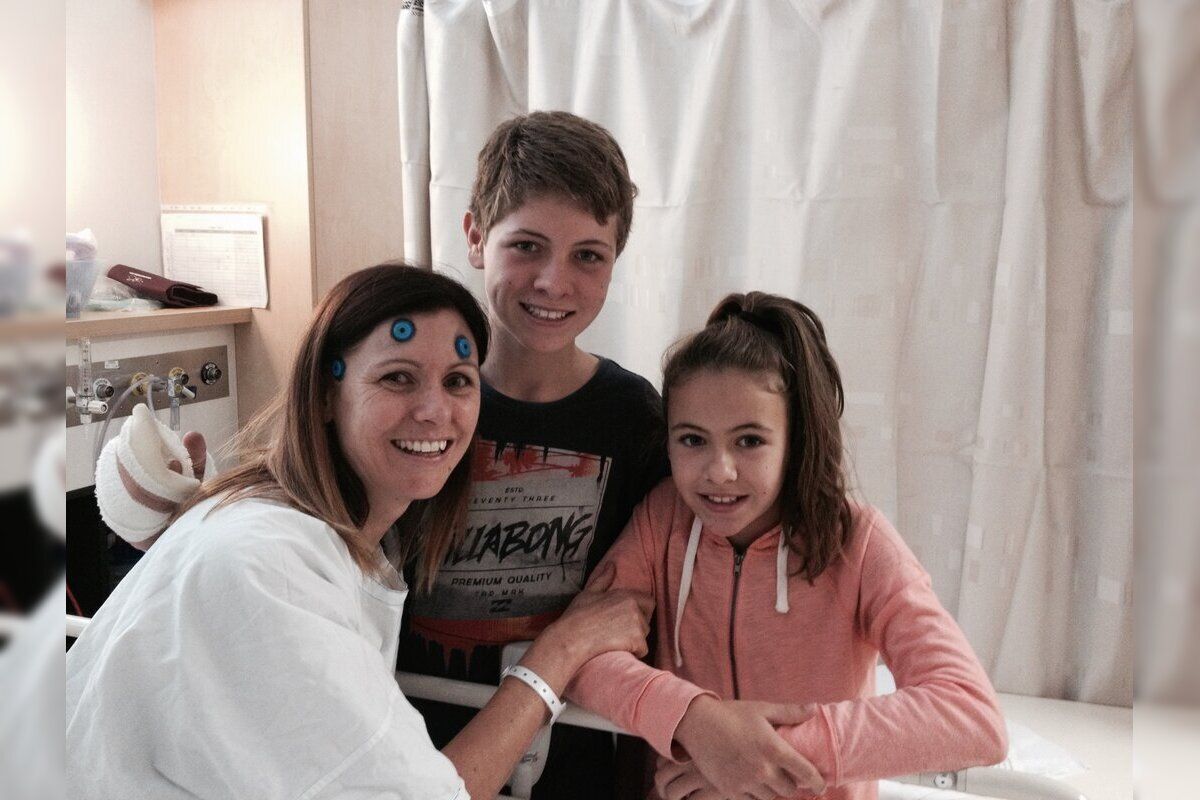
The surgery in March 2015 was successful. The World Health Organisation (WHO) had reclassified brain tumours, and mine was now an Oligoastrocytoma (WHO Grade 2), meaning no follow-up treatment was needed.
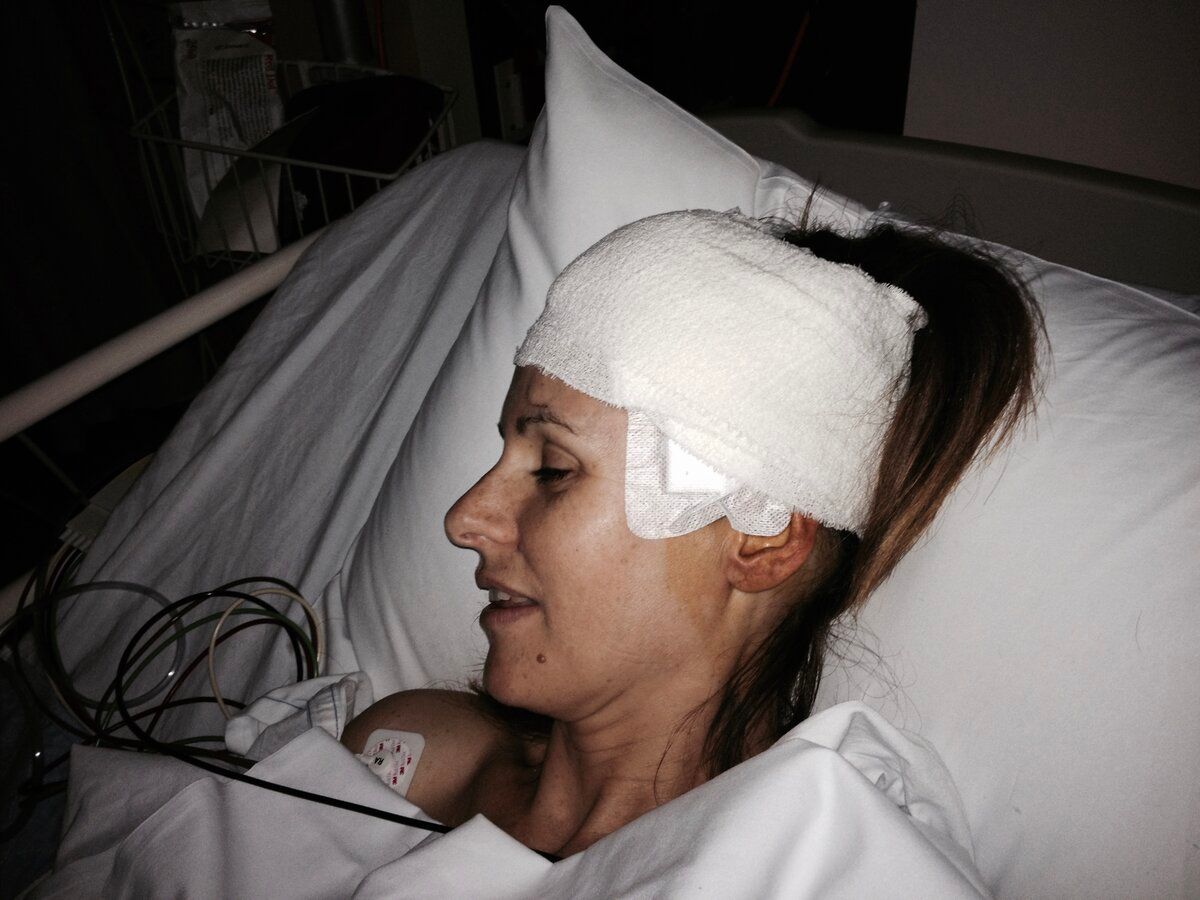
Return to Work Again
Following the seizure and surgery I was without my driver’s license for a total of 15 months. During that time, Mum was my taxi service taking me to various places I needed to visit. She even took me to my client’s homes, most of whom were located 1.5 hrs away. Of course, mum became well-acquainted with my clients. Recognizing the unfair burden this placed on her, I decided to retain only my local clients. This period was particularly meaningful for both of us, as we had the opportunity to interact and understand each other more deeply as adults.
During that period, I decided to begin anti-anxiety medication because I believed it was unfair for my husband and children to bear the brunt of my struggles. After a few weeks of taking the medication, I gradually began to feel like the person I had always aspired to be but struggled to achieve. I started to feel normal once again.
Recurrence Again
My third seizure occurred in an exceptionally public place, at the supermarket, on 21 July 2021. Earlier that day, my husband and I received the sad news of his grandfather’s passing. I also had my brain MRI scan performed and, unfortunately, forgot to take my anti-seizure medication so I took it at lunch time. The rest of the day was filled with several appointments – it was a very busy day. A visit to the supermarket was our final errand. Upon entering the supermarket with my daughter, my memory fades. According to my daughter, she observed me walking in circles and approached me just as I collapsed. She managed to catch and gently lower me to the ground.
My Most Recent Surgery
The most recent surgery took place on 5 October 2021 and was performed by Prof. Kate Drummond, Neurosurgeon at Royal Melbourne Hospital as Prof. Kaye had retired. Following this surgery, I required a significant amount of support. Initially, I was unable to speak or make any sound, a condition known as Aphasia. To communicate, I used hand signals for “yes” (thumbs up), “no” (thumbs down), or “not sure” (waved hand horizontally). I also experienced right-sided weakness, which made it difficult to hold utensils, write, shower, and get dressed. I struggled with counting, reading, and short-term memory retention. When my speech returned, I had word-finding difficulties, reduced fluency, and found typing challenging. My cognitive processing speed was slower, and I had reduced kinaesthetic awareness of where my hands were in space. Additionally, I was diagnosed with Apraxia, which affected my ability to perform familiar movements or coordinate tasks, such as playing the piano. Dual-task activities became difficult, and I experienced muscle spasms.
I was diagnosed with Anaplastic Oligodendroglioma Grade 3, as, once again, the WHO had reclassified brain tumours.
I spent a week in the acute hospital followed by two weeks in a rehabilitation facility where I received treatment from a Speech Pathologist (SP), Occupational Therapist (OT), and Physiotherapist (PT). Due to COVID-19 restrictions, I was unable to have visitors during this entire period.
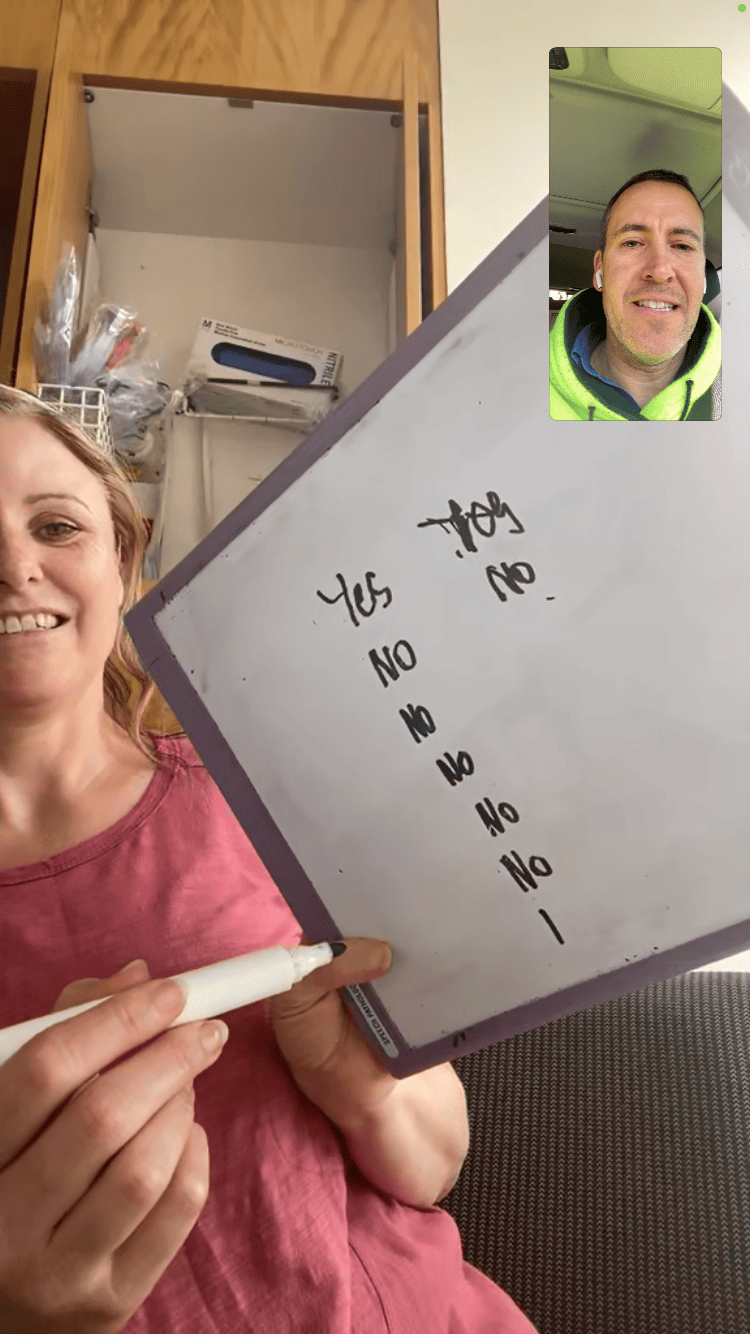
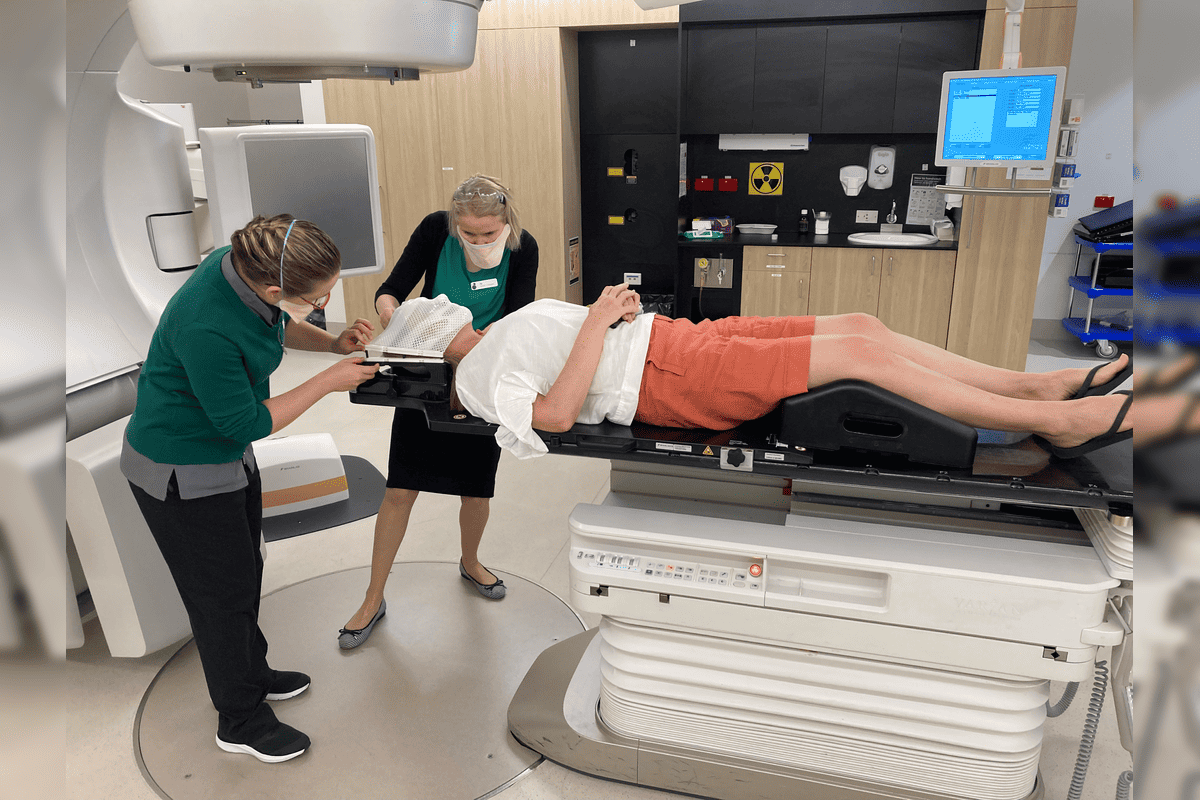
After leaving the hospital, I felt like I slept for a week. The following week I began an outpatient rehab program where I saw an OT, SP and Exercise Physiologist (EP). I then had radiation followed by twelve months of chemotherapy. Throughout this period, I felt nauseous on and off, and became extremely fatigued.
My word-finding difficulties made me avoid public outings, leading to social isolation. I hadn’t anticipated how much trouble speaking fluently would affect my ability to be in public.
Living my Life as a Long-Term Survivor
Most of my symptoms have improved since my last surgery in 2021 following 2 years of outpatient rehab. I still struggle with aphasia, dual tasking, mild right-sided weakness, balance, writing, and typing, especially when stressed or fatigued. The most heartbreaking is my inability to play the piano.
I have also given up my work as an Occupational Therapist as my experience of aphasia, challenges with reading, writing and typing fast enough, and fatigue became too much. I miss interacting and supporting my clients and must now find other ways to help people.
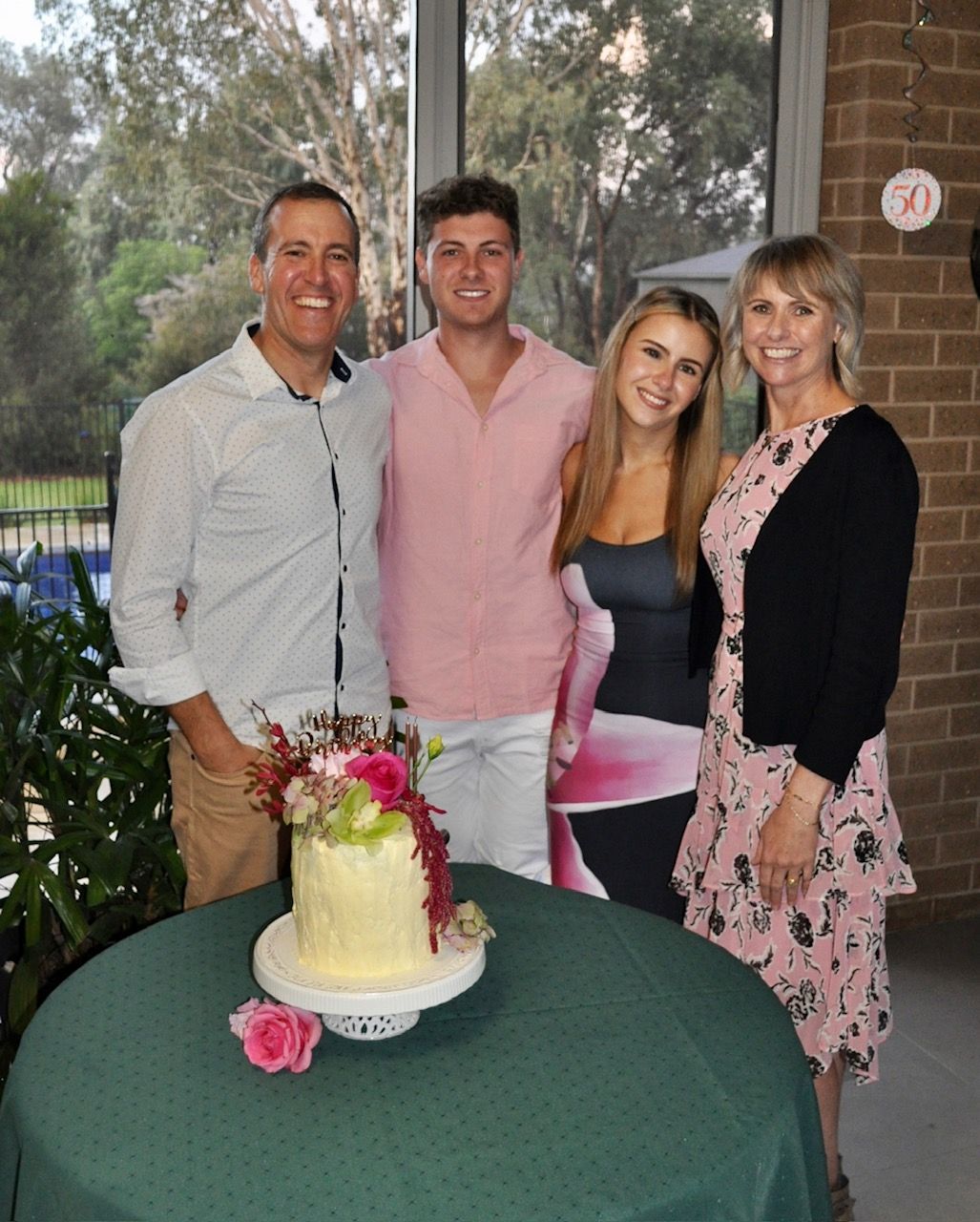
Being a brain tumour survivor for more than 20 years has been both difficult and rewarding. I am thankful to God that I have had the opportunity to be supported by such a wonderful family and many friends. I have also had the opportunity to watch our kids reach significant milestones and grow into wonderful young adults.
There are times when I feel as though I haven’t been able to help others or support my family due to my diagnosis with brain cancer – but they assure me that my battle with this terrible disease remains their greatest source of strength and encouragement.
I will continue to pray that God will help me through each day and to face whatever lies ahead.
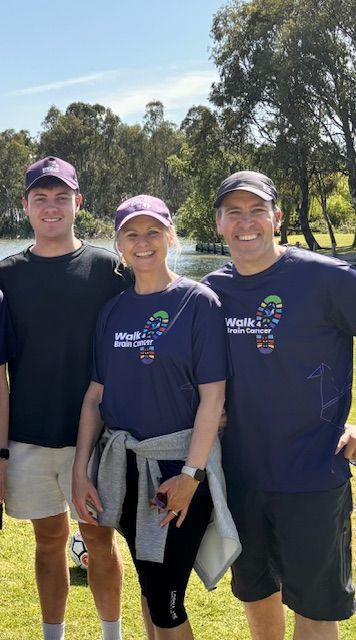
Photos and story shared by Cathy Kennedy, with permission for including on the Brain Tumours Online website. Original story written in February 2025.