
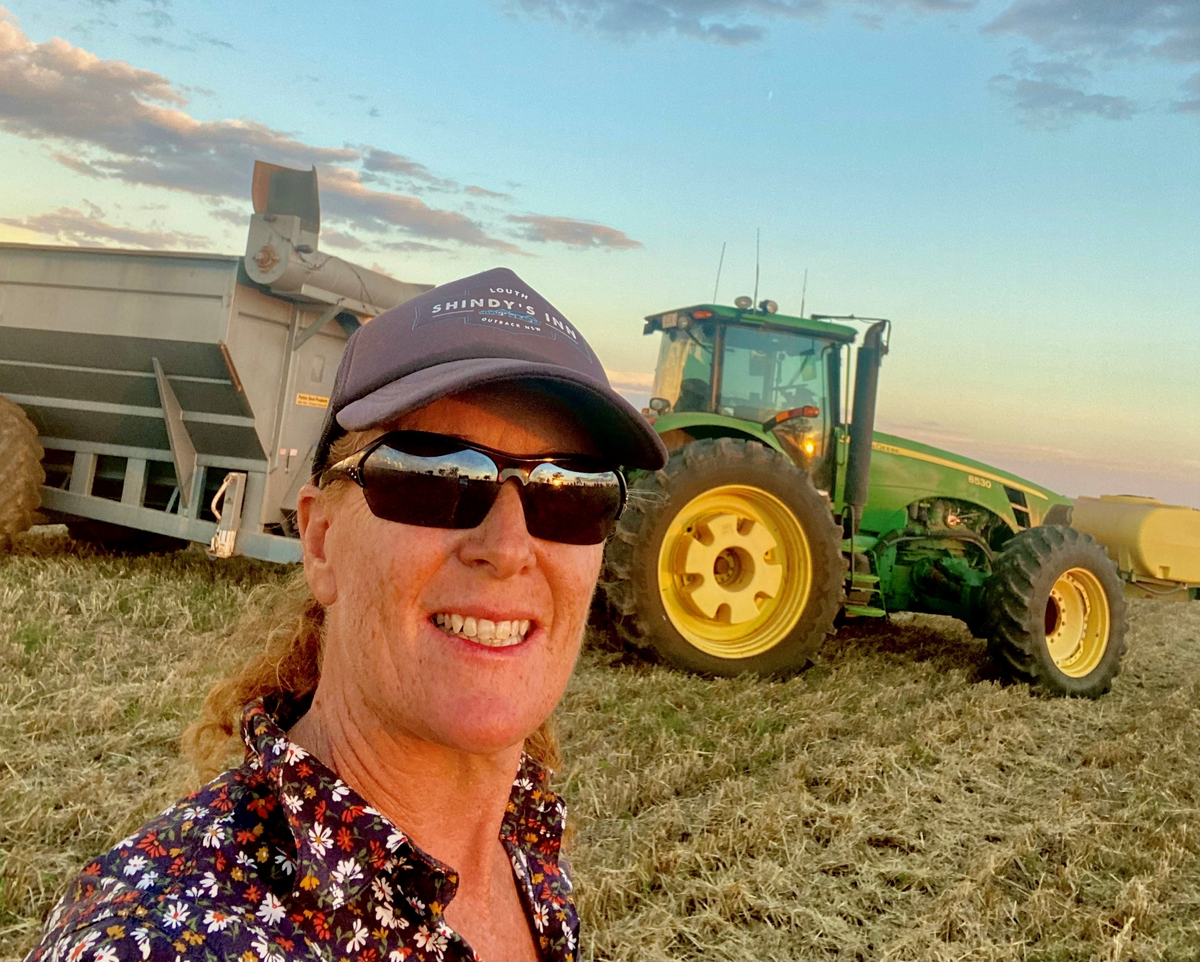
Interview style Q&A with Nano, January 2024.
Can you start off by telling us about your diagnosis?
Initially, a low grade Glioma…then upgraded to Anaplastic Astrocytoma Grade 3 (post surgery diagnosis/pathology). This was in August 2023.
What symptoms did you have before your diagnosis?
No prior symptoms – Just 20 second focal seizure in July 2023 followed by a shorter less severe one the next day.
What steps did you take to get a diagnosis?
Went to the hospital with suspected TIA or stroke. I had a CT scan in hospital which indicated it was a stroke. But I didn’t have any deficits so I had an MRI which confirmed a low grade Glioma. Surgery was scheduled for 6 weeks later in August 2023. It was the tests on the tumour that confirmed it was an Anaplastic Astrocytoma Grade 3.
What treatment have you had?
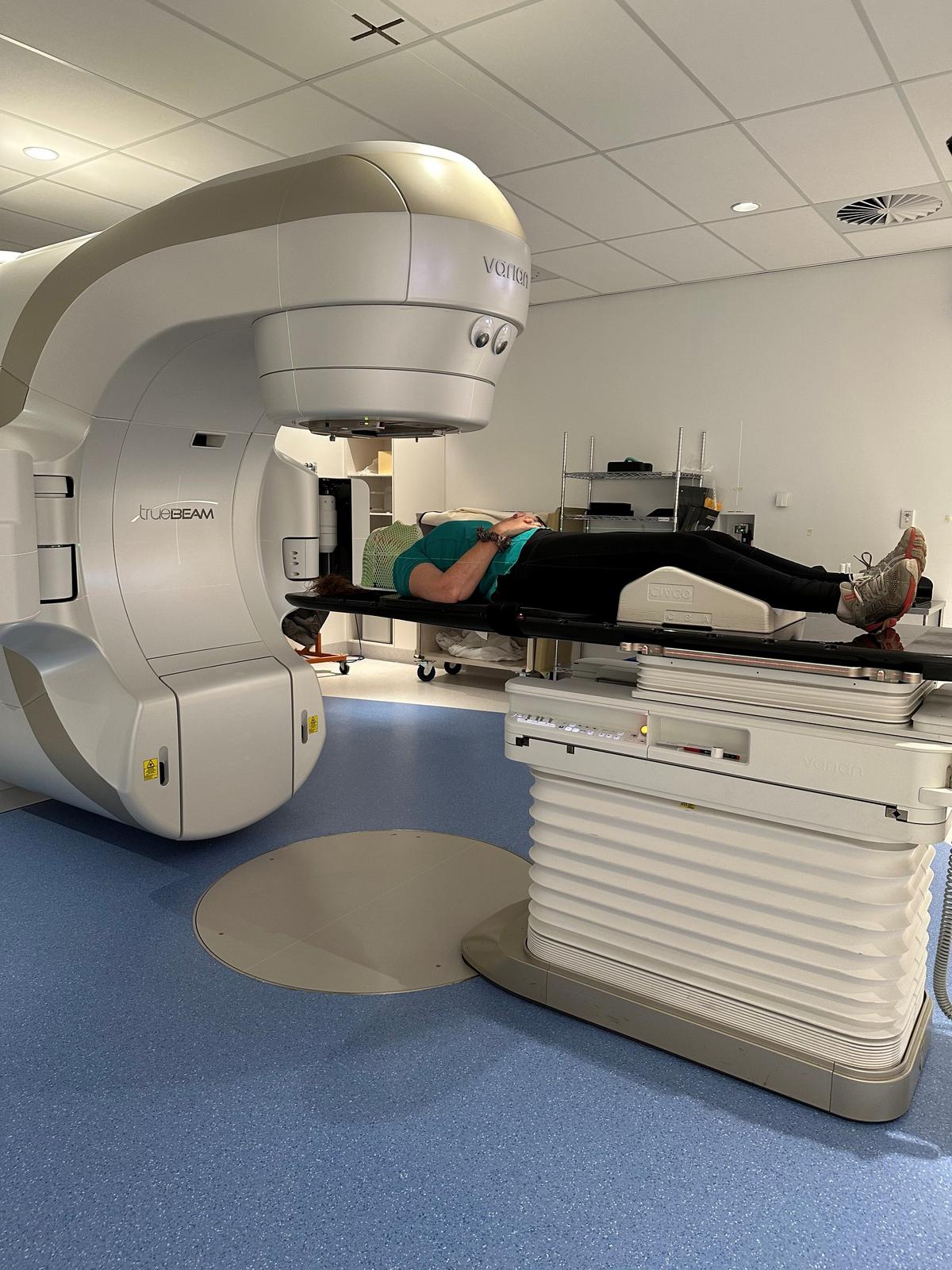
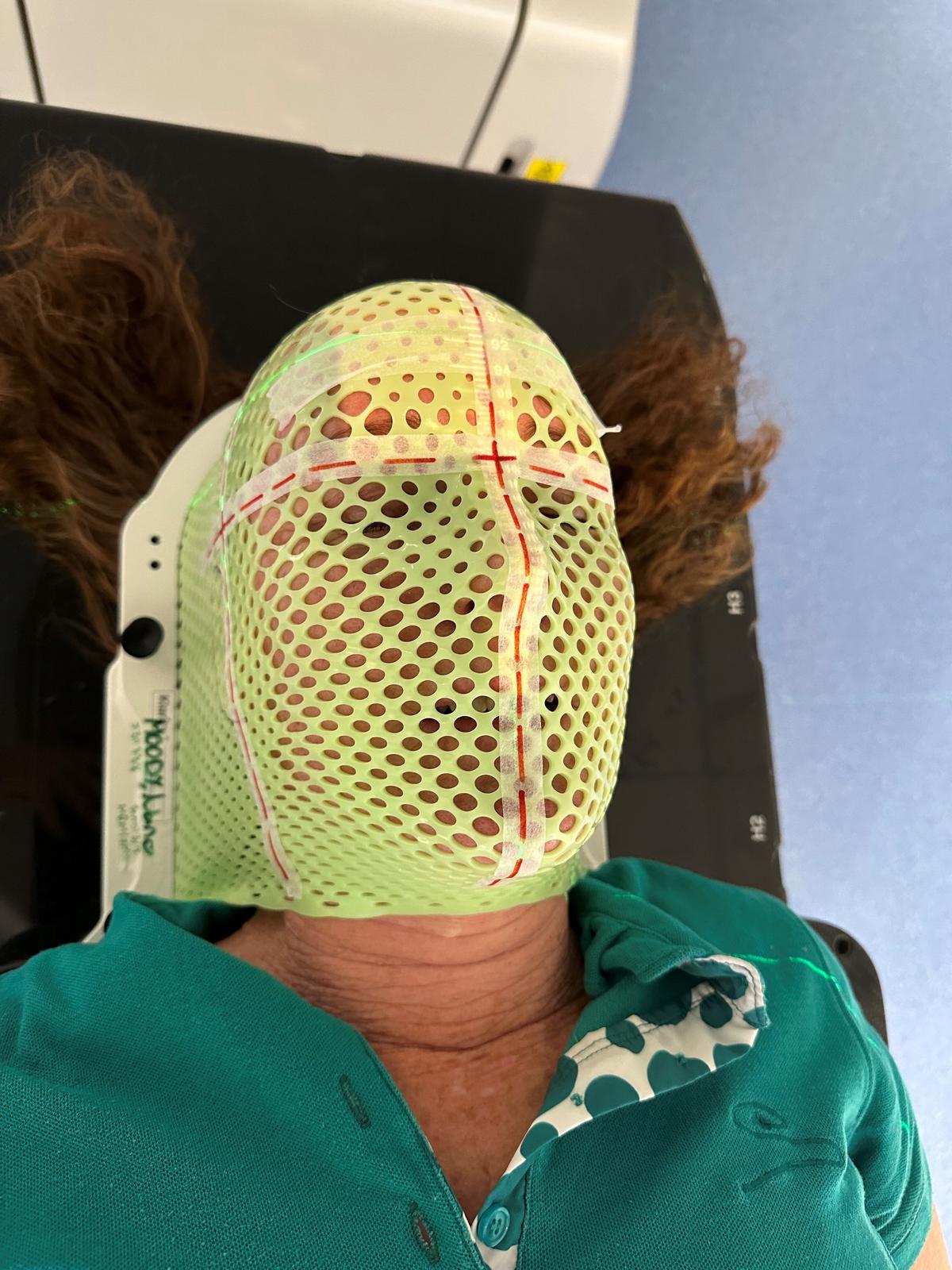
I have had surgery, radiation (33 sessions) and have recently started chemo tablets (will be on them for 6-months initially).
Have you experienced any side effects or symptoms from your treatment?
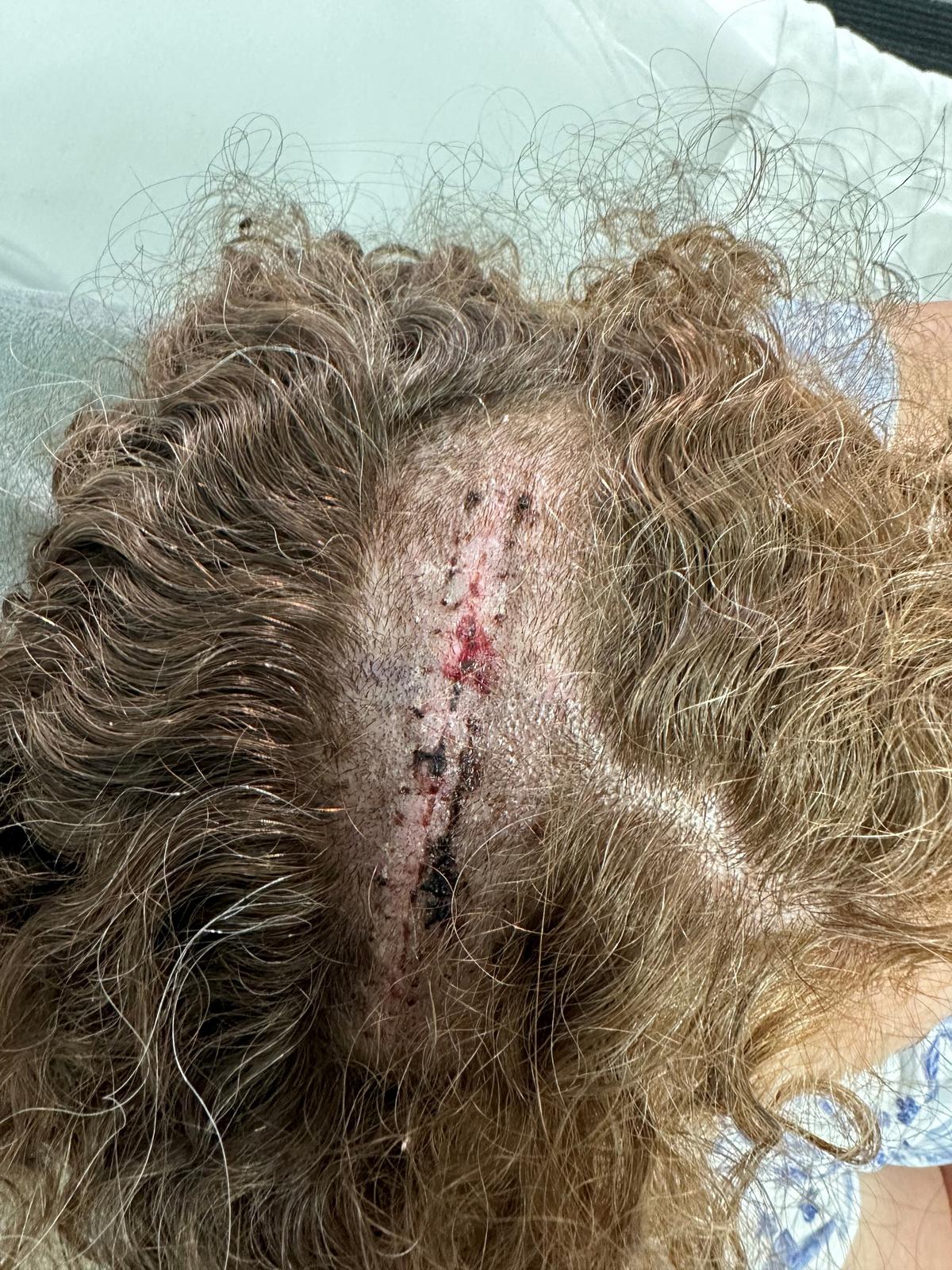
Fatigue was the biggest factor in radiation, with hair loss at the entry and exit points. Nausea and fatigue after the first, second and third round of tablets.
What was the most surprising thing you learned with your treatment?
How incredibly supportive “the treatment team” is. The whole surgical team, Dr McGee Collett and his team at RPA Sydney, radiation specialists Professor Back and his associates that work out of Western Cancer Medical Centre in Dubbo NSW. The radiation crew and nurses have been amazingly supportive.
What did you wish you knew before you started your treatment?
Nothing – I was very well-informed leading into my surgery, my radiation and my chemo cycles.
What do you wish you could share with people going through a similar experience?
A positive mindset has been critical for this journey. And being able to accept this is your journey. I was so fortunate to have worked on my mindset before this journey began for me. I had previously completed a course “From People Pleaser to Soul Pleaser” in which I learnt skills to address the burnout I was in and bring some calm to my anxious self. Then in the 3 months prior to diagnosis…. I was so fortunate to be travelling to schools with Leanne Jones, the founder of Kalm Kids. We had secured funding for rural children to participate in a face to face 8-week program learning resilience skills. These skills have helped me on my journey so much. For example: an awesome breathing technique we were teaching the kids was Colourful Kids breathing. Where you breathe in and out each colour of the rainbow and attach an affirmation with it:
Breathe in Red, Breath out Red – I AM STRONG.
Breathe in Orange, Breathe out Orange I am JOY, I am Happy.
Breathe in Yellow, breathe out Yellow – I AM BRAVE.
Breathe in Green, breathe out Green – I AM LOVE
Breath in Light Blue, Breathe out Light Blue – I AM CALM
Breathe in Dark Blue, Breath out Dark Blue – I AM CREATIVE
Breathe in Violet, Breath out Violet – I AM SMART
You are so focused on remembering each colour of the rainbow in the correct order and its affirmation that you don’t get a chance to be anxious or afraid. This was my go-to for the MRI’s that seemed to take forever.
That sounds like a really useful technique, definitely not just for kids! What else do you think every person should know about having brain cancer?
It is your choice how you deal with your diagnosis. You have a choice – tackle it with positivity or negativity. If you keep your fear at a minimum (by using “being grateful”, breathing, meditation) it stops the body getting into fight or flight mode, so it can therefore heal better. Being anxious or worried (Fight or Flight) impacts your immune system therefore your body’s ability to fight off the cancer cells.
What do you wish you knew beforehand?
Nothing – it has been a learning journey and one that I have trusted. I have been so fortunate to have an incredible team of surgeons, specialists, and nursing staff in place in NSW to look after me.
What information/services have you found helpful?
The Brain Tumours Online website was helpful in reading about others with my diagnosis. I was careful not to google in the beginning when I had very little detail. I relied on my neurosurgeon, and my radiation professor. As part of my health insurance I had access to Care Monitor through Valion Health. This has been really good. Even though at the beginning I didn’t think I needed these services. Talking to the dietician, clinical nurse, psychologist, exercise physiologist and yoga lessons has been invaluable. I was offered these services at the Western Cancer Medical Centre in Dubbo, however at the time I thought I was right and didn’t need them … however you find after talking to these experienced professionals they can give you tips and advice that can help the journey be a little smoother. They mention things you haven’t even thought about but could help you when they come up.
What have you found challenging?
My biggest challenge has been to get to see my GP when I need to.
Would you mind elaborating on that? Having a good GP is so important. Is it hard to get an appointment because they are always booked out, or is it hard to travel to the GP because you live in a rural area?
In our area, most GP’s have closed their books, as they are fully booked. My GP (she is 65km away) works 2 days a week which is generally not the days that you need to see her or you just want to ask a question. I have been fortunate that my GP does do phone consults and e-scripts and she is part of a medical practice that has my file. So, I can get another doctor to help me. This has helped so much.
Is there any knowledge you wish you could share with others who might be about to go through a similar experience?
Build your resilience skills now. Incredible how just “being Grateful” for what you have can change your mindset when it is sliding down. Your thoughts are so powerful. Being able to change them when fear takes over is critical to keeping a calm mind and body – which is what you need for healing.
Another thing I have done is take processed sugar out of my diet and have been carefully choosing what I eat – focusing on immune boosting nutrient rich foods.
What activities do you find helpful for your emotional and physical well-being?
I have been making sure I am active – walking most days up to 1 to 3 km depending on how I’m feeling. There is a lot of scientific evidence that fitness, meditation and yoga are very good for building back your immune system.
What has been your emotional journey?
My emotional journey has been good due to having skills and mentors to help me along in this journey. When I get wobbly – I contact my mentors for advice and guidance. So important to reach out to someone when you are struggling. By already having completed courses on building my resilience skills before my diagnosis I already had a network to reach out to. These mentors were so generous to step in and guide me when I needed help. I already had built relationships with them.
What do you do when times get really tough? What keeps you going?
I am really fortunate that so far it hasn’t been really tough. I have got to witness some amazing things including my relationship grow with my husband, seeing my 3 adult children come closer together with our journey (makes my heart swell with so much love), the incredible love and support from all my friends has been so beautiful to witness with check in phone calls, messages, meals, lunch dates and driving me (I was without a licence (due to the seizures) for 6 months – we live 65km from where i had to be for radiation – so that meant i had to be driven in radiation centre every day x 33).
I have an incredible support crew around me with my husband, 3 children, family, friends and mentors/coaches. I couldn’t have done this without their support. I still have a journey ahead of me. But so far, so good.
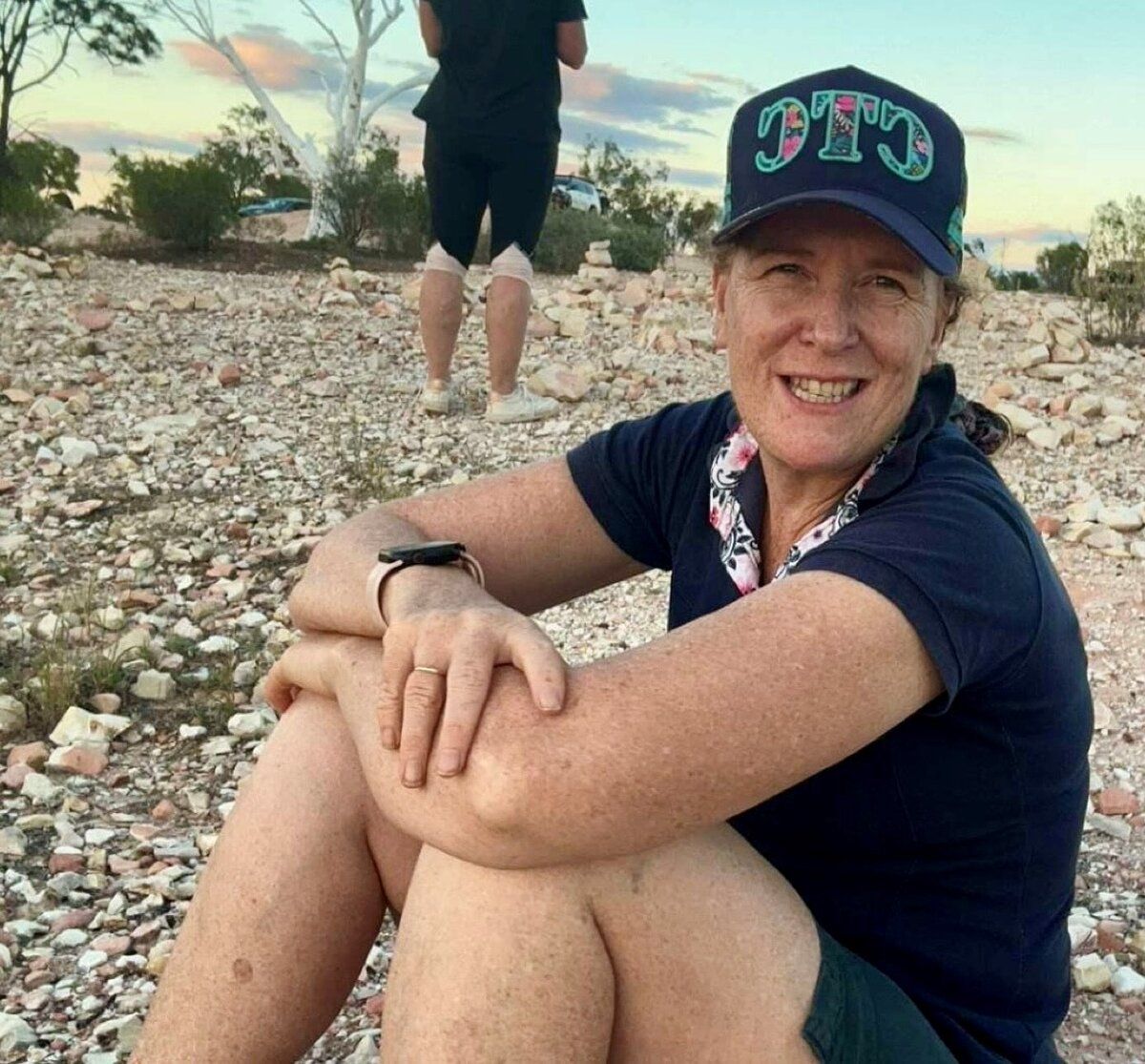
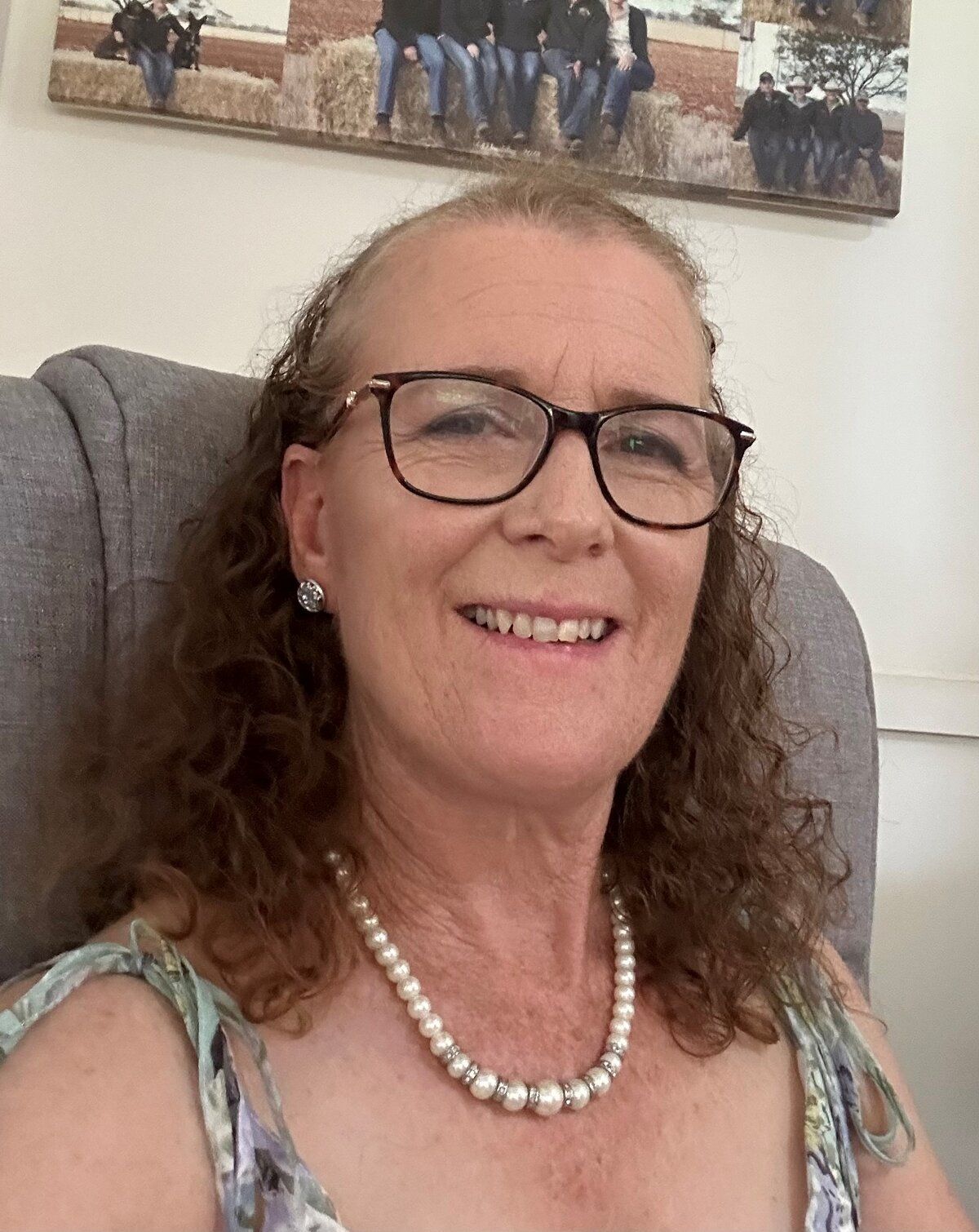
Photos and story shared by the story author with permission for including on the Brain Tumours Online website, January-February 2024.